
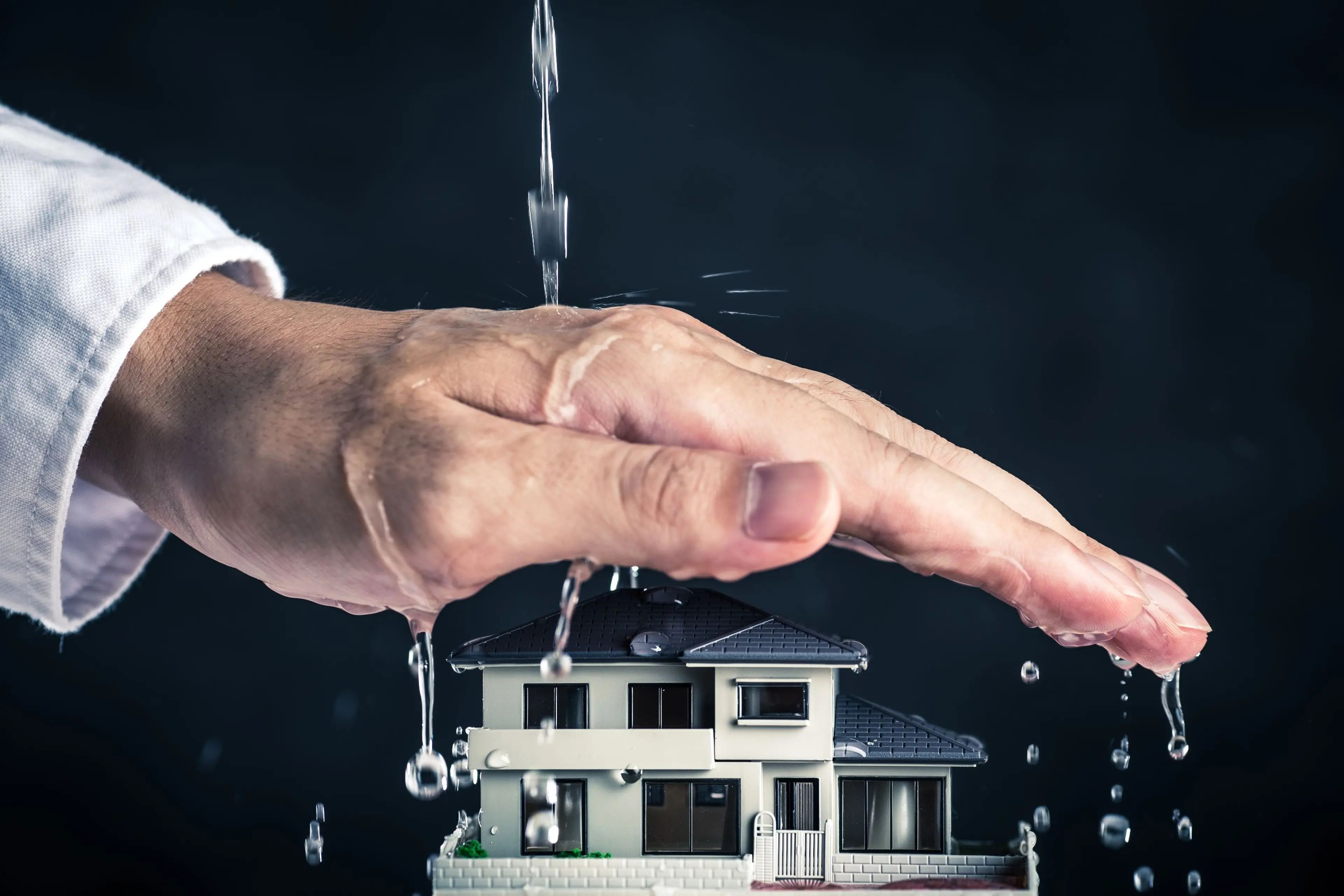
The rainy season brings relief from scorching heat, replenishes water resources, and creates a refreshing environment. However, it can also pose significant challenges for residential, commercial, and industrial buildings. Heavy rainfall, water seepage, dampness, roof leaks, structural damage, mold growth, and electrical hazards are common issues that arise when buildings are not properly prepared for monsoon conditions.
Proper building maintenance before and during the rainy season can help prevent costly repairs and extend the lifespan of your property. Whether you own a house, apartment, office building, or commercial property, taking preventive measures can protect your investment and ensure the safety of occupants.
This guide explains practical and effective ways to protect your building during the rainy season.
Why Building Protection is Important During the Rainy Season
Rainwater can infiltrate buildings through roofs, walls, terraces, balconies, windows, and foundations. Over time, moisture penetration can lead to:
- Structural deterioration
- Cracks in walls and ceilings
- Paint peeling and bubbling
- Mold and mildew growth
- Corrosion of reinforcement steel
- Electrical short circuits
- Reduced property value
- Health hazards caused by dampness
Regular inspections and preventive maintenance can minimize these risks significantly.
1. Inspect and Waterproof the Roof
The roof is the first line of defense against rainwater.
Common Roof Problems
- Water ponding
- Cracked waterproofing layers
- Broken roof tiles
- Damaged expansion joints
- Blocked drainage outlets
Protection Measures
- Inspect the roof before monsoon arrives.
- Repair cracks immediately.
- Apply high-quality waterproofing coatings.
- Ensure proper slope for water drainage.
- Clean roof drains and rainwater outlets.
Recommended Waterproofing Solutions
- Acrylic waterproof coatings
- Polyurethane waterproofing
- Bituminous waterproofing membranes
- Cementitious waterproofing systems
A properly waterproofed roof can prevent major leakage issues during heavy rainfall.
2. Repair Wall Cracks and External Surfaces
Even small cracks can allow rainwater to enter the building envelope.
Areas to Inspect
- Exterior walls
- Window corners
- Parapet walls
- Balcony walls
- Expansion joints
Preventive Measures
- Fill cracks using suitable sealants.
- Replaster damaged surfaces.
- Apply exterior weatherproof paint.
- Seal expansion joints with flexible materials.
Exterior maintenance significantly reduces water infiltration.
3. Check Terrace Waterproofing
Terraces are highly exposed to rainwater accumulation.
Warning Signs
- Damp patches on ceilings
- Water leakage into upper floors
- Surface cracks
- Loose tiles
Solutions
- Conduct a water ponding test.
- Repair damaged waterproofing layers.
- Re-grout terrace tiles.
- Seal all joints and penetrations.
Regular terrace maintenance prevents internal seepage problems.
4. Clean Gutters and Drainage Systems
Blocked gutters can cause water overflow and wall damage.
Maintenance Checklist
- Remove leaves and debris.
- Clean rainwater pipes.
- Check downspouts.
- Ensure proper water discharge away from foundations.
Proper drainage helps prevent flooding and waterlogging around the building.
5. Protect Foundations from Water Damage
Water accumulation around foundations can weaken structural stability.
Preventive Actions
- Ensure site grading directs water away from the building.
- Install surface drains where necessary.
- Repair foundation cracks.
- Avoid water stagnation near the structure.
Strong foundations are essential for long-term building safety.
6. Seal Doors and Windows
Doors and windows are common entry points for rainwater.
Inspection Areas
- Window frames
- Door frames
- Glass joints
- Silicone sealants
Recommended Solutions
- Replace damaged sealants.
- Install weather strips.
- Repair frame gaps.
- Ensure proper drainage channels.
Sealed openings improve water resistance and energy efficiency.
7. Prevent Dampness and Mold Growth
Moisture creates ideal conditions for mold and mildew.
Common Areas Affected
- Bathrooms
- Kitchens
- Basements
- Store rooms
- External walls
Prevention Tips
- Improve ventilation.
- Use exhaust fans.
- Fix leaks immediately.
- Apply anti-fungal coatings.
- Use dehumidifiers in highly humid areas.
Healthy indoor air quality depends on moisture control.
8. Inspect Electrical Systems
Water and electricity are a dangerous combination.
Safety Measures
- Check exposed wiring.
- Inspect outdoor electrical panels.
- Replace damaged switches.
- Ensure proper earthing.
- Use waterproof electrical fixtures outdoors.
Professional electrical inspections are recommended before the rainy season.
9. Maintain Balconies and Chajjas
Balconies and projections often develop cracks and drainage issues.
Common Problems
- Water accumulation
- Surface cracks
- Rusting reinforcement
- Damaged plaster
Recommended Maintenance
- Repair cracks.
- Ensure adequate slope.
- Clean drainage points.
- Reapply waterproof coatings.
These measures prevent leakage into adjoining rooms.
10. Inspect Plumbing Systems
Leaks from plumbing lines can worsen during rainy weather.
Areas to Check
- Water supply pipes
- Drainage lines
- Roof outlets
- External plumbing
Preventive Actions
- Repair leaks promptly.
- Replace damaged pipes.
- Clean drainage systems.
- Ensure smooth water flow.
Well-maintained plumbing reduces water-related damage.
11. Protect Building Exteriors with Weatherproof Paint
Exterior paint acts as a protective barrier against rainwater.
Benefits
- Water resistance
- UV protection
- Crack resistance
- Longer wall life
Choose premium-grade weatherproof paints specifically designed for monsoon conditions.
12. Conduct Regular Building Health Inspections
Professional inspections help identify hidden issues before they become major problems.
Inspection Areas
- Roofs
- Walls
- Foundations
- Waterproofing systems
- Electrical installations
- Plumbing systems
Annual inspections can save substantial repair costs.
Signs Your Building Needs Immediate Attention
Watch for these warning signs:
- Water stains on ceilings
- Peeling paint
- Damp walls
- Mold growth
- Cracks in walls
- Roof leakage
- Water ponding
- Rust stains
- Musty odors
Addressing these issues early prevents extensive damage.
Benefits of Preventive Monsoon Maintenance
- Reduced repair costs
- Improved structural durability
- Better indoor air quality
- Enhanced property value
- Increased occupant safety
- Prevention of water leakage
- Longer building lifespan
Preventive maintenance is always more economical than emergency repairs.
Conclusion
Protecting your building during the rainy season requires proactive planning and regular maintenance. Roof waterproofing, wall crack repairs, terrace protection, drainage maintenance, plumbing inspections, and electrical safety checks are essential steps to safeguard your property.
A well-maintained building can withstand heavy rainfall, prevent water damage, and provide a safe and comfortable environment for occupants. Investing in preventive maintenance before the monsoon arrives can save significant repair costs and ensure long-term structural stability.
1. What is the most important step to protect a building during the rainy season?
Roof and terrace waterproofing are among the most important preventive measures because they directly prevent water penetration.
2. How often should waterproofing be done?
Most waterproofing systems should be inspected annually and may require reapplication every 5–10 years depending on the material used.
3. What causes dampness in walls during monsoon?
Wall dampness is usually caused by cracks, poor waterproofing, leaking pipes, or water seepage through external walls.
4. Can rainwater damage the building foundation?
Yes. Continuous water accumulation around foundations can weaken soil support and affect structural stability.
5. How can I identify roof leakage early?
Look for ceiling stains, damp patches, peeling paint, mold growth, or dripping water during rainfall.
6. Is exterior weatherproof paint necessary?
Yes. Weatherproof paint provides an additional protective layer against moisture and rainwater penetration.
7. How do I prevent mold growth during the rainy season?
Maintain proper ventilation, repair leaks promptly, reduce indoor humidity, and apply anti-fungal coatings.
8. Why should gutters be cleaned before monsoon?
Blocked gutters cause water overflow, wall damage, roof leakage, and foundation problems.
9. Are electrical inspections necessary before the rainy season?
Yes. Electrical inspections help identify damaged wiring and reduce the risk of short circuits and electrical accidents.
10. When should building maintenance be performed?
Ideally, a complete building inspection and maintenance program should be carried out before the onset of the rainy season each year.

MistriBabu
Admin