
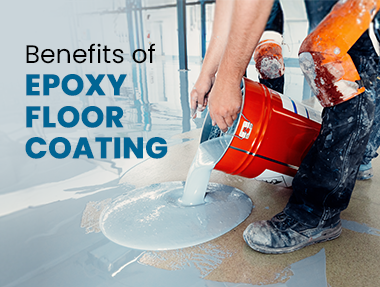
What Are the Benefits of Resin Epoxy Flooring & Why Climate Temperature Check is Important Before Installation
Resin epoxy flooring has become one of the most popular choices for modern homes, commercial spaces, showrooms, and industrial areas. Its glossy finish, durability, and premium look make it a preferred flooring solution across India. However, before applying epoxy resin, one critical factor that is often overlooked is climate temperature and site conditions.
In this blog, we’ll explain:
- What resin epoxy flooring is
- Its key benefits
- Why temperature and climate checks are essential before installation
What is Resin Epoxy Flooring?
Resin epoxy flooring is a high-performance surface coating system made by mixing epoxy resin with a hardener. When applied over concrete or other surfaces, it creates a smooth, durable, seamless, and glossy finish.
It is widely used in:
- Homes (living rooms, kitchens, bathrooms)
- Commercial spaces (offices, malls, showrooms)
- Industrial areas (factories, warehouses)
- Decorative flooring (3D epoxy, metallic epoxy, designer floors)
Benefits of Resin Epoxy Flooring
1. High Durability & Strength
Epoxy flooring is extremely strong and resistant to:
- Heavy foot traffic
- Machinery load
- Impact and abrasion
It lasts for years without major maintenance.
2. Premium & Luxurious Finish
Epoxy floors provide a high-gloss, mirror-like surface that enhances the overall look of any space. Options include:
- Metallic epoxy
- 3D designs
- Marble and stone effects
Perfect for modern interiors and luxury homes.
3. Water & Chemical Resistance
Epoxy flooring is:
- Waterproof
- Resistant to chemicals, oils, and stains
This makes it ideal for kitchens, bathrooms, parking areas, and industrial use.
4. Seamless & Hygienic Surface
Since epoxy creates a joint-free surface, it:
- Prevents dust accumulation
- Is easy to clean
- Maintains hygiene
Suitable for hospitals, kitchens, and clean environments.
5. Low Maintenance
- Easy to clean with normal mopping
- No need for frequent repairs
- Long-lasting shine
6. Anti-Slip & Safety Options
Special coatings can be added to make epoxy:
- Anti-slip
- Fire-resistant
- Electrically resistant (for industrial areas)
7. Cost-Effective in Long Term
While initial cost may seem higher than tiles, epoxy flooring:
- Requires less maintenance
- Has a longer lifespan
- Reduces repair costs
Why Climate Temperature Check is Important Before Epoxy Flooring
Before applying epoxy resin, site conditions and weather play a crucial role in the final outcome.
1. Ideal Temperature Range
Epoxy flooring performs best between:
15°C to 30°C
If temperature is:
-
Too low (<10°C):
- Slow curing
- Sticky or soft surface
-
Too high (>35°C):
- Fast curing
- Uneven finish and bubbles
2. Humidity Control
High humidity can cause:
- Moisture trapping
- Surface bubbles
- Poor adhesion
Always ensure the surface is dry before application.
3. Surface Moisture Check
Concrete must be properly cured and moisture-free.
If not:
- Epoxy may peel off
- Cracks and blisters can appear
Professional moisture testing is recommended.
4. Ventilation & Airflow
Proper ventilation is required to:
- Ensure smooth curing
- Avoid fumes accumulation
- Maintain finish quality
5. Seasonal Considerations in India
Summer (High Heat)
- Resin may cure too fast
- Risk of cracks and uneven surface
Winter (Low Temperature)
- Delayed curing
- Weak bonding
Monsoon (High Humidity)
- Moisture issues
- Poor adhesion
Important Pre-Installation Checklist
Before starting epoxy flooring, ensure:
✔ Surface is clean and crack-free
✔ Moisture level is tested
✔ Temperature is within ideal range
✔ Humidity is controlled
✔ Skilled professionals are handling the work
Conclusion
Resin epoxy flooring is a modern, durable, and visually stunning solution for residential and commercial spaces. However, its success depends heavily on proper surface preparation and climate conditions.
Ignoring temperature and humidity factors can lead to:
- Poor finish
- Reduced lifespan
- Additional repair costs
To get the best results, always choose experienced professionals who understand both technical application and environmental factors.
1. What is epoxy flooring in India?
Epoxy flooring is a strong, seamless floor coating made by mixing resin and hardener. It creates a glossy, durable surface that is widely used in Indian homes, offices, and commercial spaces.
2. Is epoxy flooring good for Indian homes?
Yes, epoxy flooring is a great choice for Indian homes because it is durable, waterproof, easy to clean, and gives a modern, premium look.
3. What is the best temperature to install epoxy flooring?
The best temperature for epoxy flooring installation is between 15 to 30 degrees Celsius for proper curing and a smooth finish.
4. Can epoxy flooring be done in rainy season in India?
Yes, epoxy flooring can be done during the rainy season, but high humidity must be controlled to avoid bubbles, peeling, or poor bonding.
5. How long does epoxy flooring last in India?
Epoxy flooring can last 10 to 15 years or more if installed properly and maintained well.
6. Is epoxy flooring expensive in India?
Epoxy flooring cost in India depends on design and quality, but it is cost-effective in the long run due to low maintenance and long lifespan.

MistriBabu
Admin