
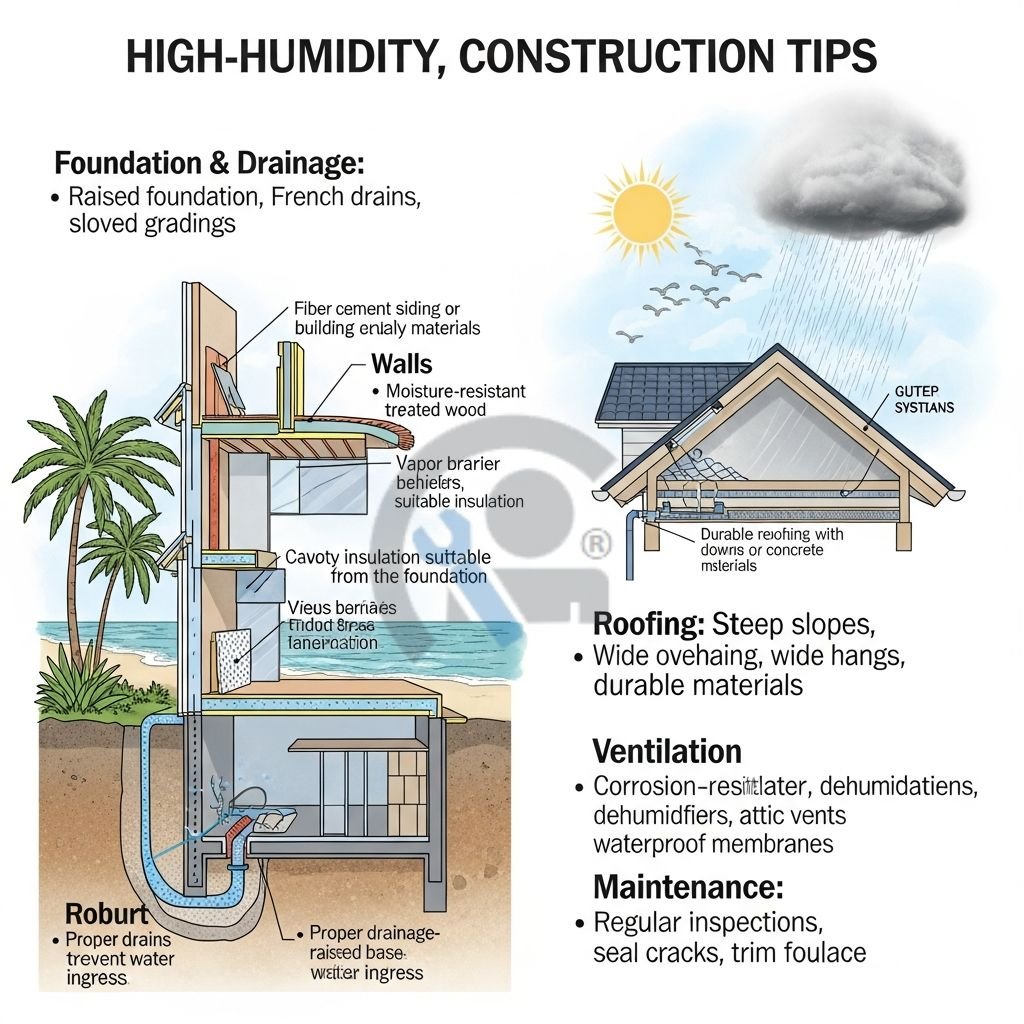
Building Construction Tips for High-Humidity, Coastal & High-Rainfall Regions of Odisha
Odisha’s diverse geography—stretching from the Bay of Bengal coastline to river basins, urban centers, and hilly regions—exposes buildings to high humidity, heavy rainfall, saline air, and seasonal flooding. Cities like Bhubaneswar, Cuttack, Puri, Paradip, Balasore, Berhampur, Sambalpur, and Koraput require climate-responsive construction to ensure durability, safety, and comfort.
If you’re planning to build a home, apartment, or commercial property in Odisha, these area-specific construction tips will help you build smarter and stronger.
1. Prioritize Strong Waterproofing
Waterproofing is non-negotiable in high-rainfall areas. Apply quality waterproof coatings on roofs, terraces, bathrooms, and external walls. Pay special attention to joints, sunken slabs, and balconies to prevent seepage and long-term damage.
2. Use Moisture-Resistant Construction Materials
Choose materials designed to withstand moisture and humidity—such as AAC blocks, fly-ash bricks, marine-grade plywood, and anti-rust steel. These materials reduce water absorption and improve the building’s lifespan.
3. Ensure Proper Drainage Planning
Efficient drainage prevents water stagnation and foundation issues. Design adequate slopes, rainwater downpipes, stormwater drains, and plinth protection to channel rainwater away from the structure.
4. Elevate the Plinth Level
In flood-prone or low-lying areas, a higher plinth level protects the building from water ingress during heavy rains and waterlogging—especially important in coastal and rural zones.
5. Protect Steel from Corrosion
Coastal air contains salt, which accelerates corrosion. Use corrosion-resistant reinforcement steel, protective coatings, and proper concrete cover to safeguard the structure’s strength over time.
6. Focus on Cross-Ventilation
Good ventilation reduces indoor humidity, mold growth, and damp smells. Design homes with cross-ventilation, ventilators, windows on opposite walls, and open layouts for natural airflow.
7. Choose Weather-Resistant Exterior Finishes
Opt for exterior paints and wall textures that resist algae, fungus, and peeling. Anti-fungal, UV-resistant, and water-repellent coatings work best in Odisha’s climate.
8. Design Roofs for Heavy Rainfall
Sloped roofs or well-designed flat roofs with proper outlets help quick water discharge. Use high-quality waterproof membranes and avoid water-collection points.
9. Plan for Termite & Pest Prevention
Warm and humid conditions increase termite risks. Use pre-construction anti-termite treatment and moisture-controlled materials to protect wooden and structural elements.
10. Regular Maintenance Is Key
Even the best construction needs care. Periodic inspection of waterproofing, drainage systems, exterior paint, and cracks helps prevent costly repairs in the future.
1. Coastal Odisha – Puri, Konark, Paradip, Gopalpur
Coastal regions are exposed to salt-laden air, high humidity, and strong winds, which can cause rapid corrosion and surface deterioration.
Construction Tips:
-
Use corrosion-resistant TMT steel and provide adequate concrete cover.
-
Apply salt-resistant waterproof exterior coatings.
-
Avoid untreated wood; use WPC or chemically treated timber.
-
Design roofs and balconies to prevent water stagnation.
-
Schedule regular exterior inspections and maintenance.
2. High-Rainfall Urban Areas – Bhubaneswar, Cuttack, Jajpur
These cities experience intense rainfall, waterlogging, and humidity, especially during the monsoon.
Construction Tips:
-
Install high-quality waterproofing for roofs, terraces, and wet areas.
-
Ensure proper rainwater drainage systems and downpipes.
-
Keep the plinth level elevated to avoid rainwater ingress.
-
Use anti-fungal, algae-resistant exterior paints.
-
Provide good ventilation to reduce indoor moisture.
3. Flood-Prone & River Basin Regions – Kendrapara, Jagatsinghpur, Balasore
Low-lying areas near rivers are vulnerable to flooding and prolonged dampness.
Construction Tips:
-
Construct higher plinth foundations with plinth protection.
-
Use low water-absorption materials like AAC blocks.
-
Avoid basements or use advanced waterproofing if unavoidable.
-
Design site grading to divert water away from the structure.
-
Install heavy-duty stormwater drainage around the building.
4. Southern & Hilly Odisha – Berhampur, Koraput, Rayagada
These regions face heavy rainfall, uneven terrain, and high humidity.
Construction Tips:
-
Conduct soil testing before finalizing foundation design.
-
Use retaining walls and slope stabilization measures.
-
Provide wide chajjas and roof overhangs to protect walls.
-
Ensure natural cross-ventilation to prevent dampness.
-
Select durable exterior finishes suitable for continuous rain exposure.
5. Western & Northern Odisha – Sambalpur, Jharsuguda, Rourkela
These areas experience extreme summer heat followed by seasonal heavy rainfall.
Construction Tips:
-
Use heat- and moisture-resistant roofing materials.
-
Opt for thermal insulation and cavity wall construction.
-
Ensure proper roof slopes and water outlets.
-
Plan periodic waterproofing maintenance before monsoon season.
6. Common Best Practices Across Odisha
-
Use certified waterproofing systems during construction.
-
Ensure proper cross-ventilation to manage humidity.
-
Apply anti-termite treatment at foundation and woodwork stages.
-
Choose durable, climate-appropriate exterior finishes.
-
Conduct regular building inspections and timely maintenance.
Conclusion
Successful building construction in Odisha depends on local climate understanding, correct material selection, and expert execution. Whether you’re building in Bhubaneswar, Puri, Cuttack, Balasore, Sambalpur, or Berhampur, adopting climate-specific construction practices ensures safety, durability, and long-term value.

MistriBabu
Admin