
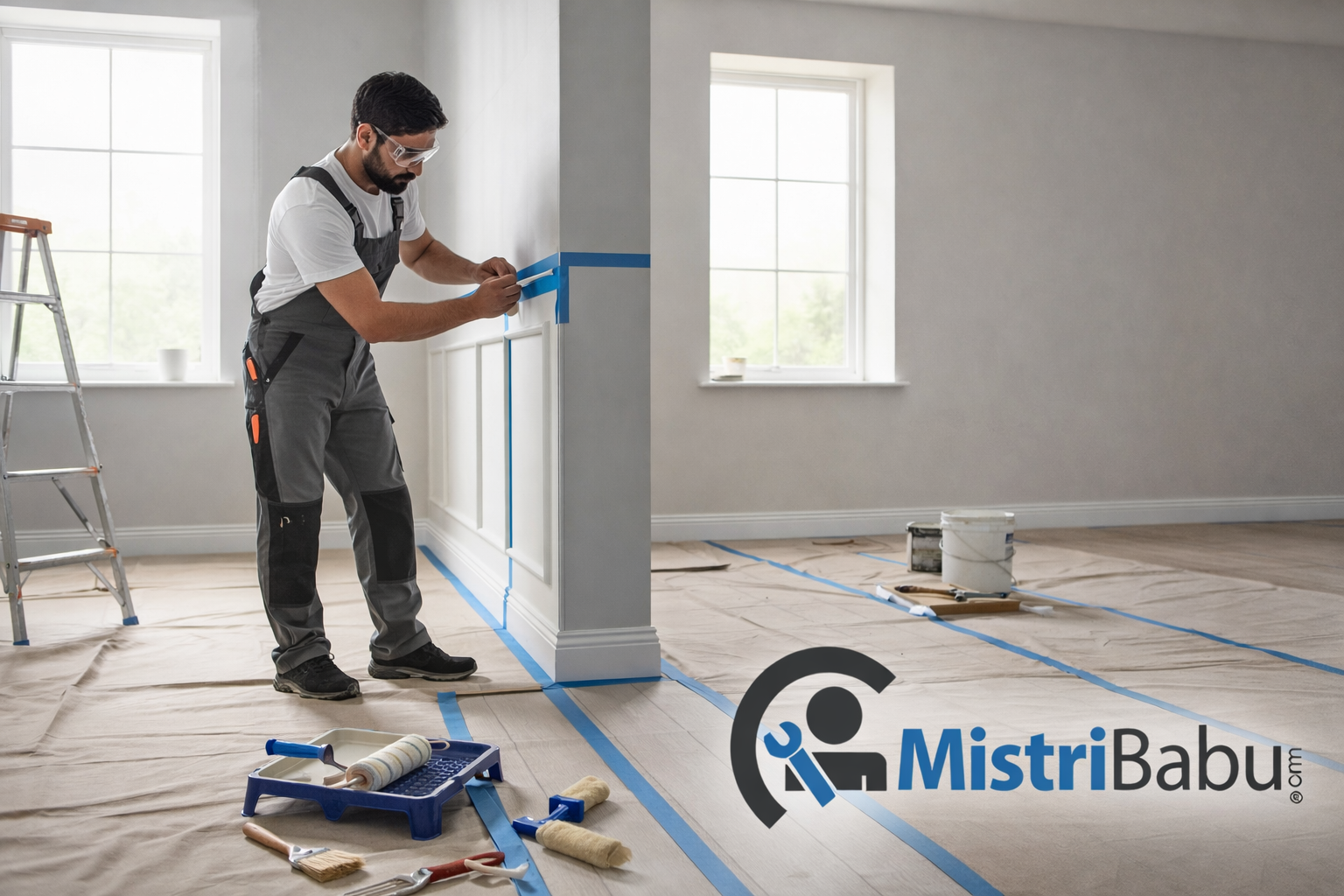
Interior painting is one of the most effective ways to refresh your home, apartment, or office in Bhubaneswar. However, due to Odisha’s humid climate, monsoon moisture, and temperature variations, interior painting requires proper procedures and expert handling. A well-planned painting process not only improves aesthetics but also ensures durability and protection against dampness and peeling.
Below is a complete interior painting procedure explained through common questions and answers, specially curated for Bhubaneswar and nearby areas of Odisha.
1. Planning Before You Start Painting
Before picking up a brush, good planning is essential.
-
Decide the color scheme for each room based on lighting and room size
-
Choose the right type of paint (emulsion, washable, matte, satin, or semi-gloss)
-
Calculate the required paint quantity to avoid shortages or excess
-
Fix a realistic timeline to allow proper drying between coats
Tip: Lighter shades make small rooms feel bigger, while darker shades add warmth and luxury to large spaces.
2. Room Preparation Is the Key to Perfect Results
Proper preparation ensures a neat and professional finish.
-
Remove furniture or cover it with plastic sheets
-
Protect switches, sockets, doors, and windows using masking tape
-
Cover floors with drop cloths or newspapers
-
Ensure good ventilation during the entire process
Skipping preparation often results in stains, spills, and uneven edges.
3. Wall Surface Inspection & Repair
Walls must be smooth and clean before painting.
-
Check for cracks, nail holes, damp patches, or peeling old paint
-
Fill cracks and holes with wall putty or crack filler
-
Sand the repaired areas to achieve a smooth surface
-
Remove dust using a dry cloth or vacuum
Pro Tip: Painting over damaged walls will highlight imperfections instead of hiding them.
4. Wall Cleaning & Sanding
Clean walls help paint adhere better.
-
Remove grease, dirt, or stains using mild detergent and water
-
Let walls dry completely before proceeding
-
Light sanding helps remove old paint flakes and creates better grip
This step ensures the new paint bonds properly and lasts longer.
5. Applying Primer – Don’t Skip This Step
Primer plays a crucial role in interior painting.
-
Improves paint adhesion
-
Enhances true color appearance
-
Reduces paint consumption
-
Covers stains and uneven patches
Apply one coat of primer evenly and allow it to dry completely before painting.
6. Choosing the Right Tools
Using proper tools improves speed and finish quality.
-
Rollers for large wall areas
-
Brushes for edges, corners, and detailing
-
Extension rods for ceilings and high walls
-
Paint trays and stirrers for uniform mixing
Tip: Use microfiber rollers for smooth walls and thick rollers for textured surfaces.
7. Painting Technique for Best Finish
Now comes the main part—painting.
-
Start with the ceiling, then move to walls
-
Paint edges and corners first using a brush
-
Use rollers in “W” or “M” pattern for even coverage
-
Apply thin, even coats instead of thick layers
Allow sufficient drying time between coats to avoid patches and marks.
8. Second Coat & Final Touch-Ups
A second coat enhances color depth and durability.
-
Inspect walls after the first coat dries
-
Apply the second coat evenly
-
Do final touch-ups on edges, corners, and missed spots
This step gives your walls a professional, polished look.
9. Post-Painting Cleanup & Care
After painting is complete:
-
Remove masking tape carefully
-
Clean brushes and rollers immediately
-
Dispose of paint waste responsibly
-
Avoid touching walls for at least 24 hours
Proper care helps the paint cure correctly and stay fresh longer.
10. Maintenance Tips for Long-Lasting Interior Paint
-
Clean stains gently using a soft cloth
-
Avoid harsh chemicals on painted surfaces
-
Fix dampness issues to prevent peeling
-
Repaint high-traffic areas when needed
With proper maintenance, quality interior paint can last 5–7 years or more.
Q1. Why is proper interior painting procedure important in Bhubaneswar, Odisha?
Bhubaneswar experiences high humidity and heavy monsoons, which can affect paint life. Proper painting procedure helps to:
-
Prevent damp patches and fungal growth
-
Improve paint adhesion on walls
-
Increase durability in humid weather
-
Maintain smooth and long-lasting finish
Following the right steps is essential for Odisha homes.
Q2. What should homeowners in Bhubaneswar do before starting interior painting?
Before starting interior painting:
-
Choose moisture-resistant and washable paints
-
Finalize colors considering natural light and room ventilation
-
Shift or cover furniture properly
-
Ensure windows are open for air circulation
Planning helps avoid delays and paint failures.
Q3. How should walls be inspected before painting in Odisha homes?
Walls must be checked for:
-
Cracks and surface unevenness
-
Dampness due to seepage or leakage
-
Old peeling paint
-
Salt deposits (efflorescence), common in coastal regions
All issues should be treated before painting begins.
Q4. How are cracks and damp areas treated before interior painting?
For cracks:
-
Clean the area thoroughly
-
Apply crack filler or wall putty
-
Sand after drying
For dampness:
-
Identify the moisture source
-
Apply damp-proof or anti-fungal treatment
-
Allow walls to dry completely
This step is critical in Bhubaneswar’s humid climate.
Q5. Is wall cleaning necessary before interior painting?
Yes, wall cleaning is mandatory.
Walls are cleaned to remove:
-
Dust and dirt
-
Oil or grease stains
-
Loose paint particles
Clean surfaces ensure strong paint bonding and smooth finish.
Q6. Why is sanding important before painting interior walls?
Sanding:
-
Smoothens repaired and rough areas
-
Removes old paint flakes
-
Improves paint grip on walls
Proper sanding results in a professional-looking finish.
Q7. What type of primer should be used for interior painting in Bhubaneswar?
In Bhubaneswar, it is recommended to use:
-
Water-based interior primers for normal walls
-
Damp-resistant or anti-fungal primers for moisture-prone areas
Primer helps seal the surface and increases paint life.
Q8. Which paint is best for interior walls in Odisha?
The best options include:
-
Washable emulsion paints
-
Anti-fungal interior paints
-
Low-VOC paints for better indoor air quality
These paints perform well in Odisha’s weather conditions.
Q9. What is the correct interior painting technique?
Follow this method:
-
Paint ceilings first
-
Apply paint to edges and corners using a brush
-
Use roller in “W” or “M” pattern
-
Apply thin and even coats
This technique ensures uniform coverage and no patch marks.
Q10. How many coats of paint are required for interior walls?
Typically:
-
One coat of primer
-
Two coats of interior paint
For darker shades or high-moisture areas, an extra coat may be needed.
Q11. How much drying time is required between coats in Odisha climate?
Drying time depends on weather and paint type:
-
Water-based paints: 3–4 hours
-
During monsoon: 5–6 hours recommended
Adequate drying prevents peeling and bubbling.
Q12. What should be done after completing interior painting?
After painting:
-
Remove masking tape carefully
-
Clean brushes and rollers
-
Allow walls to cure for 24 hours
-
Avoid washing walls for at least 7 days
Post-painting care ensures long-term durability.
Q13. How can interior paint be maintained in Bhubaneswar homes?
To maintain painted walls:
-
Wipe stains with a soft cloth
-
Avoid excessive water contact
-
Fix leakage or seepage immediately
-
Ensure proper ventilation
Good maintenance extends paint life significantly.
Q14. Should I hire professional painters in Bhubaneswar, Odisha?
Hiring professionals is highly recommended because they:
-
Understand local climate challenges
-
Use proper damp-proof treatments
-
Deliver clean and timely work
-
Ensure long-lasting finish
Professional interior painters save time and future repair costs.
Conclusion
Interior painting in Bhubaneswar, Odisha requires special attention to surface preparation, damp protection, and correct painting techniques. By following these interior painting procedure tips explained in a Question & Answer format, homeowners can achieve a beautiful, durable, and moisture-resistant finish that enhances both comfort and property value.

MistriBabu
Admin