
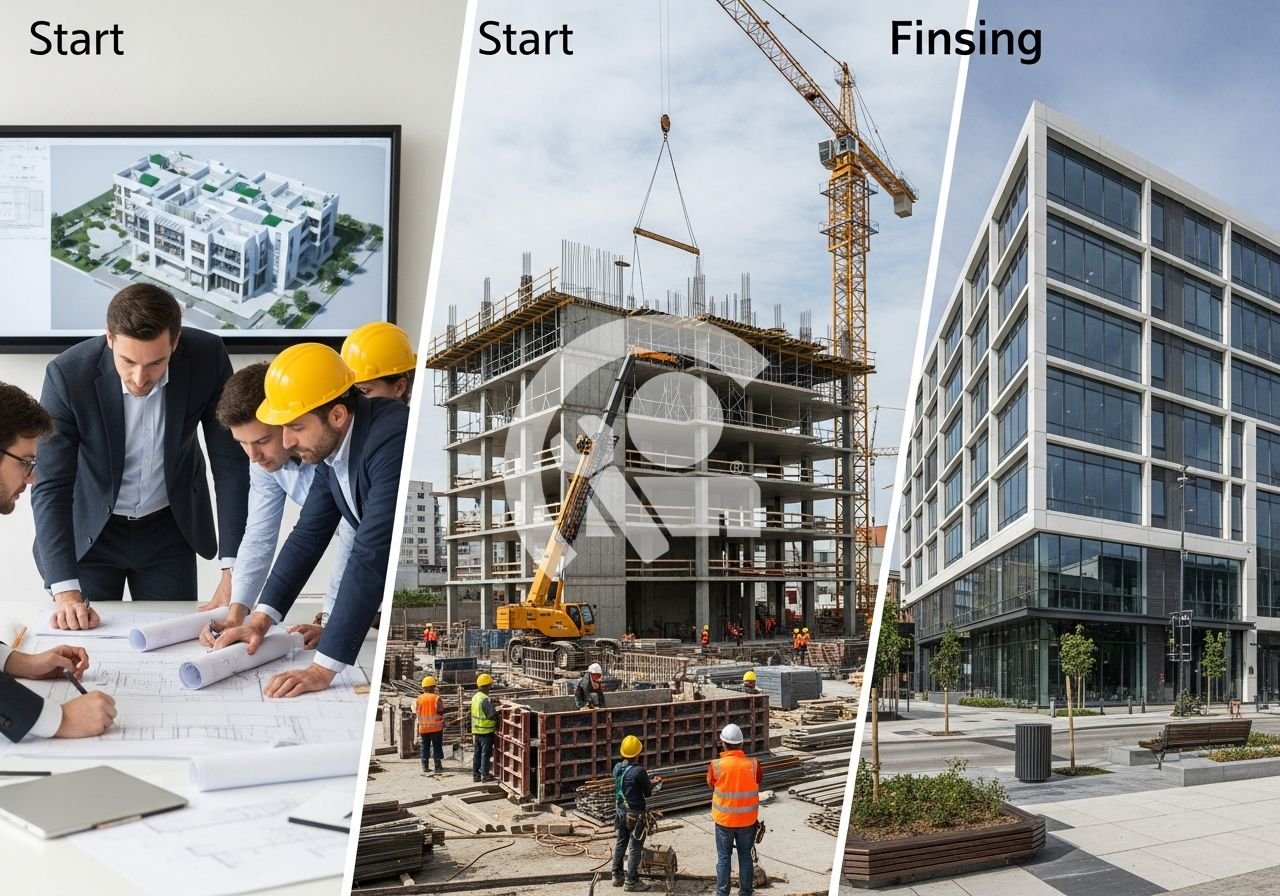
Building Construction Tips in Delhi NCR: A Customer Guide from Planning to Finishing
Building a home or commercial property in Delhi NCR—including Delhi, Noida, Gurugram, Faridabad, Ghaziabad, and Greater Noida—is a major investment. With strict regulations, extreme weather conditions, and rising construction costs, customers need clear information to make the right choices.
This guide explains the complete construction process in simple terms, helping you understand what to expect at each stage and how to avoid common mistakes.
1. Planning Comes First
Proper planning lays the foundation for smooth construction.
What customers should do:
-
Verify land ownership and legal documents.
-
Check local building bylaws, FAR, setbacks, and height rules.
-
Get approvals from the respective authorities (DDA, Noida Authority, GMDA, local municipal bodies).
-
Hire professionals for architectural, structural, and service drawings.
-
Conduct soil testing to design the right foundation.
Good planning prevents delays, legal issues, and cost overruns.
2. Design According to Delhi NCR Climate
Delhi NCR experiences very hot summers, cold winters, dust pollution, and monsoon rains.
Smart design tips:
-
Plan room orientation to reduce heat and improve daylight.
-
Use insulation and heat-reflective roofing materials.
-
Design proper ventilation to control dust and indoor air quality.
-
Include rainwater harvesting as required by local rules.
Climate-responsive design improves comfort and lowers energy bills.
3. Strong Foundation & Structural Work
Structural quality ensures safety and long life of the building.
Customer checklist:
-
Follow soil test recommendations for foundation type.
-
Use IS-standard cement, steel, and concrete.
-
Ensure proper curing of RCC work.
-
Follow earthquake-resistant construction norms (Delhi NCR is in Seismic Zone IV).
Never compromise on structural work—it cannot be fixed later.
4. Brickwork & Masonry Quality
Brickwork affects both strength and appearance.
What to check:
-
Use quality bricks, fly ash bricks, or AAC blocks.
-
Maintain proper alignment, level, and curing.
-
Provide Damp Proof Course (DPC) to prevent moisture rising from the ground.
Good masonry reduces cracks and future maintenance issues.
5. Waterproofing & Drainage – Don’t Skip This
Water leakage is one of the most common problems in buildings.
Essential areas to waterproof:
-
Roofs and terraces
-
Bathrooms and kitchens
-
Balconies and basements
Also ensure:
-
Proper slope and rainwater outlets
-
Tested waterproofing systems before finishing
Early waterproofing saves huge repair costs later.
6. Electrical & Plumbing Planning
Poor planning here leads to frequent breakdowns.
Customer tips:
-
Plan electrical load for ACs, geysers, and future needs.
-
Use concealed wiring with proper earthing.
-
Test plumbing lines for pressure and leakage.
-
Ensure proper drainage slope to avoid blockages.
Good MEP planning means fewer repairs after moving in.
7. Doors, Windows & Ventilation
These elements impact comfort, noise, and energy efficiency.
Best practices:
-
Use uPVC or aluminium windows to reduce dust and noise.
-
Ensure proper sealing to prevent air and water leakage.
-
Maintain cross-ventilation for fresh airflow.
8. Interior & Exterior Finishing
Finishing defines the final look and feel of your building.
Customer-friendly advice:
-
Choose low-VOC paints for healthier indoor air.
-
Use exterior paints resistant to pollution and weather.
-
Ensure proper surface preparation before painting.
-
Use anti-skid tiles in bathrooms and balconies.
Quality finishing enhances durability and appearance.
9. Flooring, Woodwork & Fixtures
Final installations should be done carefully.
Things to remember:
-
Choose flooring suitable for temperature changes.
-
Use termite-treated or engineered wood.
-
Allow expansion joints where required.
-
Install fixtures only after painting and polishing are complete.
10. Final Inspection & Handover
Before moving in, a thorough inspection is essential.
Customer checklist:
-
Check electrical load, plumbing pressure, and drainage.
-
Inspect walls, floors, and ceilings for cracks or defects.
-
Ensure work matches approved drawings.
-
Collect completion and occupancy certificates if required.
Final Thoughts
Building construction in Delhi NCR requires informed decisions at every stage. Understanding the process—from planning and approvals to finishing and handover—helps customers ensure quality construction, better comfort, and long-term peace of mind.
Choosing experienced professionals who understand local regulations and climate conditions can make your building journey smooth and stress-free.

MistriBabu
Admin