
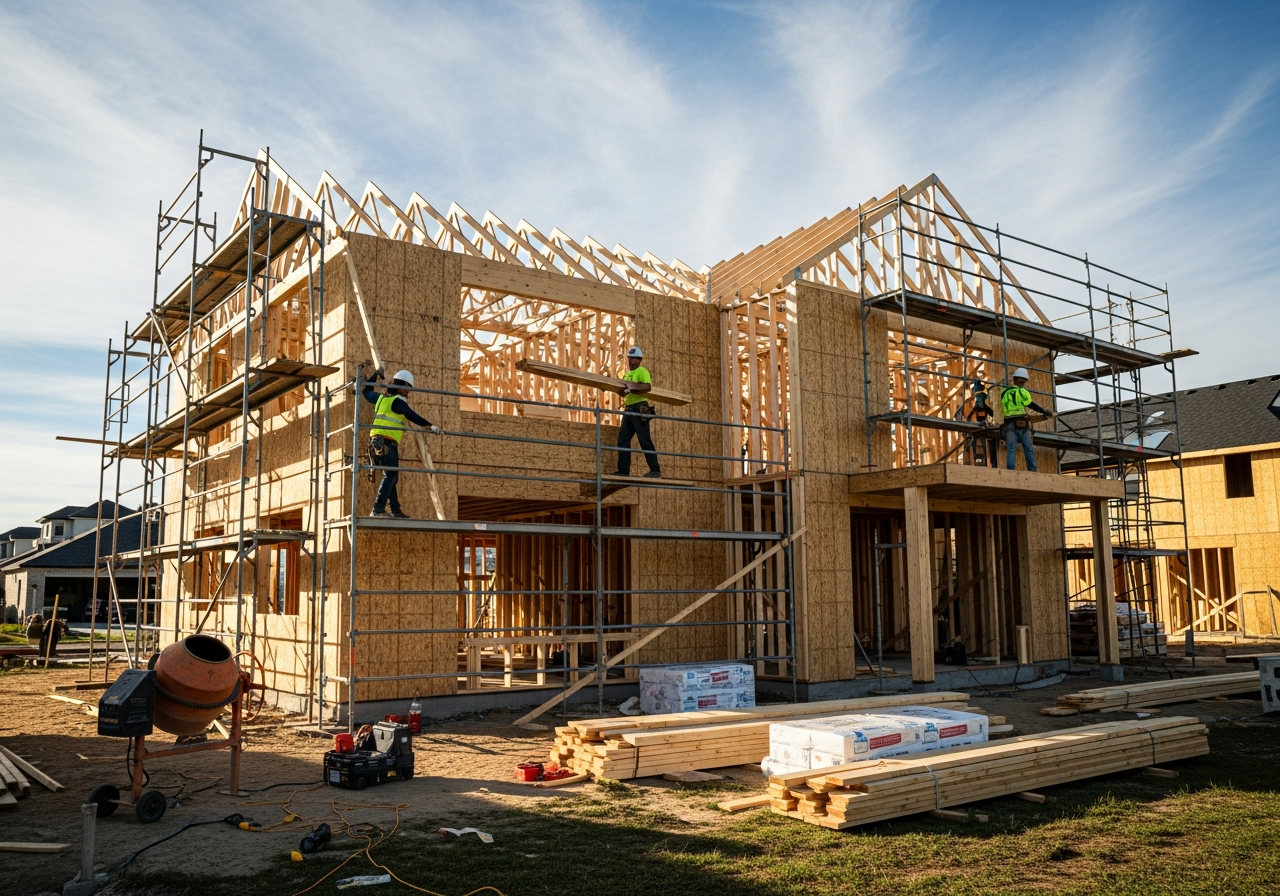
House Construction Step-by-Step Process: A Complete Guide for Homeowners
Building your own house is one of the biggest dreams of life. It’s not just about bricks and cement—it’s about creating a safe, comfortable, and happy space for your family. But for many homeowners, the house construction process feels confusing and stressful due to lack of proper guidance.
This detailed guide explains the house construction step-by-step process, from planning to final handover, in simple language so you know exactly what happens at every stage.
Step 1: Planning & Budgeting
Before any construction begins, proper planning is the foundation of a successful house project.
Key activities:
-
Decide your budget (construction + interior + contingency)
-
Define house size, number of floors, rooms
-
Choose construction type (independent house, duplex, villa)
-
Select reliable architect, contractor, or construction company
? Good planning saves money, time, and future regrets.
Step 2: Land Survey & Soil Testing
Once you have land, technical checks are essential.
What happens:
-
Land survey to confirm plot boundaries
-
Soil testing to check soil strength and load-bearing capacity
-
Decide foundation type based on soil report
? Soil testing ensures your house remains strong and crack-free for decades.
Step 3: House Design & Drawings
This is where your dream home starts taking shape.
Designs required:
-
Floor plans
-
Elevation design
-
Structural drawings
-
Electrical & plumbing layouts
An experienced architect balances aesthetics, Vastu (if needed), functionality, and budget.
Step 4: Legal Approvals & Permissions
Before construction, legal approvals are mandatory.
Common approvals:
-
Building plan approval from local authority
-
Land ownership verification
-
Environmental clearance (if required)
-
Utility permissions (water, electricity)
? Starting construction without approval can lead to penalties or demolition.
Step 5: Site Preparation & Excavation
Now the actual construction work begins.
Activities include:
-
Site clearing
-
Marking foundation layout
-
Excavation as per foundation design
Proper excavation ensures a strong and balanced base for your house.
Step 6: Foundation Construction
The foundation is the backbone of your house.
Process:
-
PCC (Plain Cement Concrete)
-
Footing reinforcement
-
Column starter construction
-
Foundation concrete pouring
A strong foundation protects your home from settlement, cracks, and structural failure.
Step 7: Plinth Beam & Ground Floor Slab
After foundation:
-
Plinth beam is constructed
-
Backfilling with soil
-
Anti-termite treatment
-
Ground floor slab casting
This stage raises your house above ground level and protects it from moisture.
Step 8: Superstructure (Columns, Beams & Slabs)
This is the visible structure of your house.
Includes:
-
Columns
-
Beams
-
Floor slabs (ground, first, second floor, etc.)
Quality materials and proper curing are critical here for long-term durability.
Step 9: Brickwork & Blockwork
Now walls are constructed.
Types of walls:
-
External walls
-
Internal partition walls
Bricks or AAC blocks are chosen based on budget, strength, and insulation needs.
Step 10: Roofing & Waterproofing
Roof construction protects your home from weather.
Work includes:
-
Slab waterproofing
-
Terrace slope creation
-
Drainage outlets
? Proper waterproofing prevents leakage and dampness issues later.
Step 11: Electrical & Plumbing Work (Concealed)
This stage is done before plastering.
Electrical:
-
Wiring
-
Switch boards
-
MCB panels
Plumbing:
-
Water supply lines
-
Drainage pipes
-
Bathroom fittings layout
Good planning here avoids future wall breaking.
Step 12: Plastering Work
Plastering gives smooth and even surfaces.
Areas covered:
-
Internal walls
-
External walls
-
Ceilings
It improves appearance and protects walls from weather damage.
Step 13: Flooring & Tiling
This stage adds beauty and comfort.
Common flooring options:
-
Vitrified tiles
-
Marble or granite
-
Anti-skid bathroom tiles
Proper leveling and alignment are crucial for a premium finish.
Step 14: Doors, Windows & Woodwork
Now your house starts looking complete.
Includes:
-
Main door installation
-
Internal doors
-
Windows (aluminum, UPVC, wood)
-
Kitchen cabinets & wardrobes (optional)
Step 15: Painting & Finishing Work
Final touch to enhance aesthetics.
Types of painting:
-
Interior wall paint
-
Exterior weatherproof paint
-
Polish or texture finish (optional)
Choose quality paint for long-lasting color and protection.
Step 16: Final Fixtures & Fittings
Last installation stage.
Includes:
-
Light fixtures & fans
-
Switches & sockets
-
Bathroom fittings
-
Kitchen sink & accessories
Step 17: Quality Check & Handover
Before moving in:
-
Structural inspection
-
Electrical & plumbing testing
-
Snag list correction
-
Final cleaning
Once everything is approved, the house is ready for handover ?
Conclusion
Understanding the house construction step-by-step process helps homeowners make informed decisions, control costs, and avoid common mistakes. With proper planning, professional guidance, and quality materials, your dream home can become a stress-free reality.
If you’re planning to build a house, always choose experienced professionals who value quality, transparency, and timely delivery.

MistriBabu
Admin