
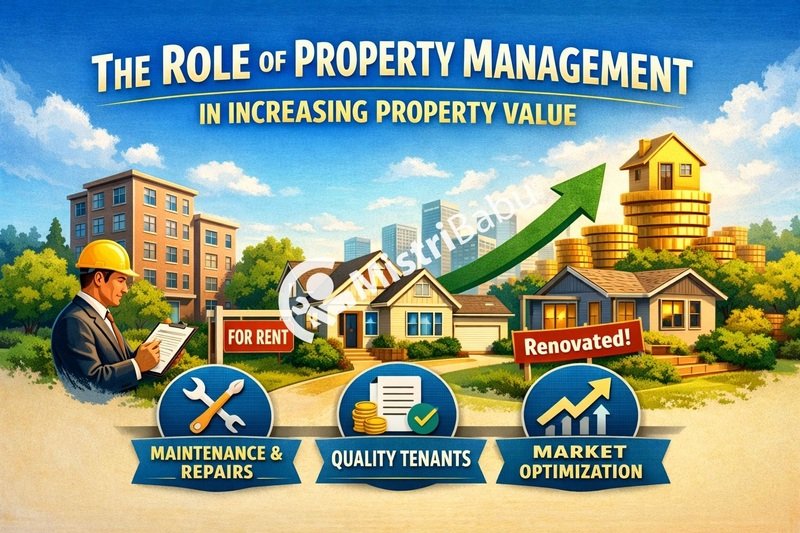
Property ownership is more than just holding a physical asset—it is about maximizing its financial performance and long-term appreciation. Whether it is a residential apartment, luxury villa, commercial complex, or rental building, professional property management plays a critical role in protecting and increasing property value. In growing real estate markets like Andhra Pradesh – Amaravati, Arunachal Pradesh – Itanagar, Assam – Dispur, Bihar – Patna, Chhattisgarh – Raipur, Goa – Panaji, Gujarat – Gandhinagar, Haryana – Chandigarh, Himachal Pradesh – Shimla, Jharkhand – Ranchi, Karnataka – Bengaluru, Kerala – Thiruvananthapuram, Madhya Pradesh – Bhopal, Maharashtra – Mumbai, Manipur – Imphal, Meghalaya – Shillong, Mizoram – Aizawl, Nagaland – Kohima, Odisha – Bhubaneswar, Punjab – Chandigarh, Rajasthan – Jaipur, Sikkim – Gangtok, Tamil Nadu – Chennai, Telangana – Hyderabad. Tripura – Agartala Uttar Pradesh – Lucknow, Uttarakhand – Dehradun (Winter), Gairsain (Summer), West Bengal – Kolkata, Andaman and Nicobar Islands – Port Blair, Chandigarh – Chandigarh, Dadra and Nagar Haveli and Daman and Diu – Daman, Delhi– New Delhi, Jammu and Kashmir – Srinagar (Summer), Jammu (Winter), Ladakh – Leh, Lakshadweep – Kavaratti, Puducherry – Puducherry, properties that are professionally managed consistently outperform unmanaged assets in terms of rental yield, resale value, and market demand. Let’s explore how property management directly contributes to increasing property value.
1. Preventive Maintenance Protects Long-Term Asset Value
Regular maintenance is the foundation of value preservation. Small issues like seepage, plumbing leaks, cracks, or electrical faults can turn into major structural problems if ignored.
Professional property management ensures:
-
Routine property inspections
-
Waterproofing and structural monitoring
-
Electrical and plumbing audits
-
Timely repair and replacement
-
Roof and exterior protection
Well-maintained properties experience slower depreciation and higher appreciation rates.
2. Quality Tenant Management Improves Rental Income
Stable rental income increases the overall valuation of an income-generating property. Property managers:
-
Conduct background verification of tenants
-
Prepare legally compliant lease agreements
-
Ensure timely rent collection
-
Reduce vacancy periods
-
Handle disputes professionally
Higher occupancy rates and consistent rental flow make a property more attractive to investors and buyers.
3. Enhanced Curb Appeal Increases Market Perception
First impressions significantly influence property pricing. Clean common areas, fresh exterior paint, proper lighting, landscaping, and security systems improve buyer confidence.
Property management teams ensure:
-
Clean surroundings
-
Well-maintained amenities
-
Upgraded common areas
-
Attractive property presentation
Better presentation often translates into premium pricing.
4. Legal Compliance Reduces Risk & Protects Value
Property regulations, municipal laws, taxation rules, and tenant rights vary by location. Professional management ensures:
-
Proper documentation
-
Property tax compliance
-
Fire and safety certifications
-
Legal rental agreements
-
Title and ownership record maintenance
Reducing legal risk directly protects property value and avoids costly penalties.
5. Financial Planning & ROI Optimization
Property managers monitor:
-
Income vs. expenses
-
Maintenance budgets
-
Capital improvements
-
Rental yield analysis
-
Long-term appreciation trends
This structured financial oversight helps owners make data-driven decisions that enhance long-term asset value.
6. Strategic Renovation & Modern Upgrades
Modern buyers and tenants prefer properties with:
-
Smart security systems
-
Energy-efficient lighting
-
Modular kitchens
-
Updated bathrooms
-
Proper waterproofing solutions
Professional management identifies upgrades that deliver maximum return on investment instead of unnecessary spending.
7. Reduced Vacancy & Faster Resale
Properties with documented maintenance history, strong rental performance, and proper management records sell faster and often at better prices. Buyers are more confident investing in properties with professional oversight.
8. Special Importance for NRI Property Owners
For NRIs, distance can create challenges such as:
-
Unauthorized occupancy
-
Delayed maintenance
-
Legal complications
-
Rent collection issues
Professional property management ensures security, transparency, and financial performance even when owners live abroad.
Conclusion
Property management is not merely operational support—it is a strategic investment tool. From maintenance and tenant handling to financial planning and legal compliance, professional management significantly enhances rental income, resale value, and long-term appreciation.
A well-managed property stands out in competitive markets and consistently delivers stronger returns compared to unmanaged assets.
1. How does property management increase property value?
Property management increases value through regular maintenance, tenant retention, reduced vacancy, legal compliance, and strategic upgrades. These factors improve rental income and resale demand.
2. Is property management worth it for a single residential property?
Yes. Even a single apartment or villa benefits from professional oversight, especially in terms of maintenance, tenant screening, and rent collection.
3. Can property management help increase rental income?
Yes. By reducing vacancy periods, screening quality tenants, and adjusting rent according to market trends, property managers help maximize rental returns.
4. How does maintenance impact property appreciation?
Preventive maintenance prevents structural damage and deterioration, ensuring the property retains its physical and financial value over time.
5. Is property management important for commercial properties?
Absolutely. Commercial properties require lease management, compliance tracking, facility maintenance, and tenant coordination—all of which directly impact property valuation.
6. How does property management reduce legal risks?
Professional managers ensure proper documentation, compliant rental agreements, tax payments, and adherence to municipal laws, reducing the risk of disputes and penalties.

MistriBabu
Admin